Thursday, September 25, 2025

How long should a continuous deficit last for?

I read that a person should not be in a large deficit for dieting more than 12 weeks at a time and that one should eat at maintenance for a couple of weeks in between deficits. I have no idea if this is grounded in science or anything. I have been in a consistent deficit of 500 to 250 calories for about a year now. Supposedly this deficit raises the cortisol (stress hormone) in the body which hinders weight loss, this the need for a maintenance break. If anyone has experience with this or knows of its true, I would like to hear about it.

I am a 46F 5’3 and 130 pounds down from 171 pounds a year ago.

submitted by /u/coffeeandcardio46
[link] [comments]

from loseit - Lose the Fat https://ift.tt/C9twsY1

Weird side effect of dieting: everything smells stronger

⚠️ TMI warning lol ⚠️

I started my weight loss journey at 80 kg on July 10 and I’m now down to 73.8 kg thanks to sticking with a calorie deficit and doing Zumba a few times a week 💃. It hasn’t been easy, but I’m proud of the consistency so far.

One thing I did not expect, though, are the weird little side effects. Ever since I cleaned up my eating and cut back on sugar/processed food, I feel like my sense of smell has gotten noticeably stronger. I catch myself noticing scents I never really picked up on before and sometimes it shows up in very unexpected ways 😅.

For example, coffee makes my pee smell strongly like coffee, and when I eat salmon, well… let’s just say my poop smells like salmon. Before I started dieting, I never really noticed these things, but now it’s like my body is way more “transparent” about what I put into it.

Has anyone else experienced something like this when losing weight or changing their diet? Is it just my body adjusting, or do other people find their senses get sharper too? I know it’s a little gross, but I’m curious if this is actually a common part of the process!

submitted by /u/Own-Hovercraft425
[link] [comments]

from loseit - Lose the Fat https://ift.tt/tQqXRkC

Wednesday, September 24, 2025

Taking a GLP-1 for Weight Loss? Here’s the Nutrition Plan Experts Recommend

GLP-1 medications like Ozempic®, Wegovy®, and Zepbound® have opened new doors for people struggling to lose weight. If you’ve started one or are exploring your options, you should know these medications work best when combined with the right nutrition plan, not used as a replacement for one.

Without the right nutrition support, many people experience side effects, low energy, or weight regain.

That’s why in May 2025, four of the nation’s leading health organizations released expert nutrition guidelines for people taking GLP-1s. Their goal: help you feel better, stay on track, and maintain your results for the long term.

Here’s why it matters, what the experts recommend, and simple ways to make it work in your daily life.

How GLP-1s Support Weight Loss and Health

GLP-1 medications mimic a hormone your body naturally produces. By binding to receptors in the gut, brain, pancreas, and other organs, they help reduce appetite, curb cravings, slow digestion, and improve blood sugar control. Some people also report better sleep, more stable energy, and reduced inflammation.

Thanks to these effects, GLP-1s can lead to impressive weight loss. Clinical trials show people can lose 5 to 18 percent of their body weight in just over a year. This is much more than what is typically seen with lifestyle changes alone.

But results in everyday life don’t always match clinical data. More than half of people stop taking GLP-1s within a year, often due to side effects like nausea, fatigue, and constipation. Others plateau or regain the weight they lost.

These challenges are not just about the medication. In many cases, they reflect what’s missing: nutrition support. 

How Poor Nutrition Undermines Progress on GLP-1s 

When your appetite drops and side effects kick in, it becomes easy to eat too little. While eating less is part of how GLP-1s work, not eating well enough can interfere with your progress.

Here’s how inadequate nutrition can affect your results:

  • Nutrient Deficiencies
    Low food intake, especially with nausea or diarrhea, can cause deficiencies in nutrients like iron, calcium, magnesium, and B vitamins. These nutrients support energy, immunity, and metabolism. When they are lacking, you may notice fatigue, thinning hair, brittle nails, or constipation.
  • Muscle and Bone Loss
    Whenever you lose weight, you will lose both fat and muscle. Without enough protein, your body may lose more muscle than it should, which slows metabolism and weakens your body. Bone density may also decline, especially in women and older adults.
  • Dehydration and Electrolyte Imbalance
    Nausea, vomiting, and diarrhea increase the risk of dehydration. Low fluid intake can also lead to fatigue, constipation, kidney strain, and irregular heartbeats.
  • Weight Regain
    GLP-1s reduce hunger but do not teach lasting habits. Without a plan to maintain balanced eating, many people regain weight. One large study found that about two-thirds of the weight lost with GLP-1s was regained within a year of stopping the medication.

These concerns are why experts emphasize that GLP-1s are a tool, not the entire solution. Pairing medication with a personalized nutrition strategy supports your health and helps your results last. So, what does a good nutrition plan look like? 

What the Experts Recommend and How to Make It Work

To help people succeed, four national health organizations—the American College of Lifestyle Medicine, the American Society for Nutrition, the Obesity Medicine Association, and The Obesity Society—released expert nutrition guidelines in 2025.

Their recommendations are based on research showing that people who combine GLP-1 treatment with nutritional support lose more weight, experience fewer side effects, and are more likely to maintain their progress after stopping medication.

Here are the key strategies, along with simple ways to apply them.

1. Prioritize Protein

Why it matters: Protein helps preserve muscle mass and bone strength while you lose weight. It also helps keep you full and satisfied. 

How to do it:

  • Aim for around 80–120 grams of protein per day. Pair adequate protein intake with strength training to best protect muscles.
  • Include a protein source at every meal and snack. Eat protein first at each meal to increase the chances you’ll get enough protein before feeling full.
  • Choose lean options like eggs, chicken, fish, dairy, tofu, and beans instead of red or processed meats. Choices that give you a lot of protein in relatively small portion sizes include Greek yogurt, cottage cheese, and egg whites. 
  • Use protein shakes or bars if needed (look for low-sugar and at least 10 grams of protein per serving)

2. Make Every Bite Count with Nutrient-Dense Foods

Why it matters: With reduced appetite, every bite should provide vitamins, minerals, and fiber.

How to do it

  • Use the plate method as a guide: Fill half your plate with non-starchy veggies like leafy greens, peppers, or zucchini, then split the remainder of your plate between lean proteins and fiber-rich grains.
  • Use high-fiber whole grains more often than refined grains (like white breads and processed snack foods).
  • Review your diet with a healthcare provider to decide if supplements are needed.  

3. Avoid Low-Nutrient Foods That Make Side Effects Worse

Why it matters: High-fat and ultra-processed foods can trigger or worsen nausea and digestive symptoms. Plus, they’re low in nutrient value, taking space away from more nutritious options that protect you from nutrient deficiencies.  

How to do it:

  • Avoid fried foods and processed meats, like bacon, sausage, lunch meat, and fast food. Instead, choose baked, roasted, or broiled proteins like chicken, fish, tofu, or nuts.
  • Cut back on sugary drinks and snacks.
  • Choose gentle options, like bananas, oatmeal, or broth, when experiencing nausea. 

4. Eat Small, Frequent Meals

Why it matters: Smaller meals eaten frequently throughout the day help you meet your nutrition goals, even with a low appetite.

How to do it:

  • Target eating every 3–4 hours, even if it’s just a snack.
  • Try easy combos that include protein and carbohydrates: a protein shake with fruit, cottage cheese or yogurt, apples and peanut butter, a half sandwich and veggie sticks, canned tuna with whole grain crackers and veggie sticks. 
  • Use phone reminders or meal timers if needed.

5. Stay Hydrated

Why it matters: Nausea, vomiting, diarrhea, and low hunger cues can increase your risk for dehydration. Dehydration can worsen constipation, deplete energy, and negatively impact kidney and heart health. 

How to do it:

  • Keep water or herbal tea with you throughout the day.
  • Sip fluids between meals to avoid feeling overly full at mealtime.
  • Try ginger tea, broths, or electrolyte drinks if you’re dealing with nausea or vomiting.

6. Build Cooking Confidence Over Time

Why it matters: Cooking skills support long-term success by giving you more control over what you eat.

How to do it:

  • Start by cooking one more meal at home each week.
  • Lean on simple tools like sheet pan dinners or one-pot soups.
  • Using meal replacement products, like those that are part of the Nutrisystem Meal Plans, can help you practice a balanced eating structure while you build the skills to cook more on your own. 

What About Keto or Intermittent Fasting?

Some people pair GLP-1s with diets like keto or intermittent fasting. These approaches may work for some, but can cause complications during GLP-1 treatment.

Keto is very low in carbohydrates. Since GLP-1s lower blood sugar, this combination can cause dangerously low levels. The high-fat focus of keto may also increase nausea and reduce fiber intake.

Intermittent fasting encourages long periods without food. Combined with reduced appetite, this can make it hard to meet your nutritional needs and may increase the risk of blood sugar drops and binge eating.

Instead, focus on balanced meals you can stick with consistently. A steady eating routine that fits your lifestyle will be more sustainable and supportive of long-term results.

Working with a dietitian or healthcare provider can help you personalize your approach and stay supported throughout your journey.

Bottom Line: A Smart Nutrition Plan Helps GLP-1s Work Better

GLP-1 medications can be a powerful tool for weight loss, but nutrition is still the foundation for success. The right plan helps reduce side effects, protect your energy, and make results last beyond the medication itself.

Nutrisystem’s high protein approach to weight loss, featuring portion-controlled meals, can provide convenience to help you get started building healthy habits.

Remember, healthy weight loss is not just about eating less. It’s about giving your body the nutrition it needs to feel strong, energized, and confident, for good. 

References: 

  1. Expert Panel. Nutritional priorities to support GLP‑1 therapy for obesity. Obesity. Published May 30, 2025. doi:10.1002/oby.24336 

The post Taking a GLP-1 for Weight Loss? Here’s the Nutrition Plan Experts Recommend appeared first on The Leaf.


from The Leaf https://ift.tt/bRmT6Y2

10 Fall Foods for Fast Weight Loss

As autumn arrives, we embrace shorter days, cooler weather and an abundance of fresh ingredients at grocery stores and farmer’s markets. This is fantastic news for individuals on a weight loss journey as it offers a wider selection of delicious and nutritious fall foods compared to any other season.

To assist you in achieving your weight loss goals, we have curated a grocery list featuring our favorite fall foods. These not only enhance your seasonal meals but also fit perfectly into the Nutrisystem plan. We have also included tantalizing suggestions on how to savor these delectable treats!

Discover the joys of fall with our bountiful selection of seasonal ingredients and recipes, helping you stay on track while relishing in the flavors of the season.

1. Pumpkin

pumpkin recipes

Why: Pumpkins seem to be everywhere in autumn, but they truly deserve a place on your plate when you’re trying to lose weight. According to the United States Department of Agriculture (USDA), one cup of cooked pumpkin has an impressive seven grams of fiber, which leaves you feeling full for hours after eating. Even better, pumpkin seeds are rich in magnesium, a mineral that is said to help prevent and manage Type 2 diabetes, says the Defeat Diabetes Foundation.

Try: Pass on the fat- and sugar-laden pumpkin pie and instead whip up a batch of our Powerhouse Pumpkin Hummus! It’s loaded with flavor and fiber and it makes a delicious dip for fresh veggies.

15 Colorful Recipes for Your Fall Menu

Read More

2. Brussels Sprouts

healthy fall foods

Why: Brussels sprouts are an especially rich source of vitamin K—low levels of this nutrient are linked to an increase in body fat in older adults, according to a study, published in The Journal of Nutrition.

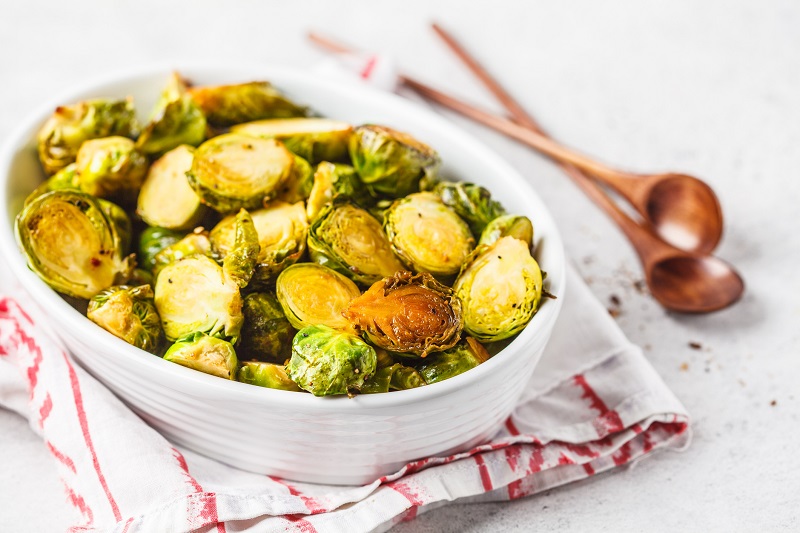
Try: Cool weather brings out the sweetness in these bite-sized members of the cabbage family. When roasted, Brussels sprouts become even tastier and develop a satisfying crunch. We love to get in a serving of non-starchy vegetables with Crispy Brussels Sprouts Chips with Garlic Aioli.

3. Sweet Potato

healthy fall foods

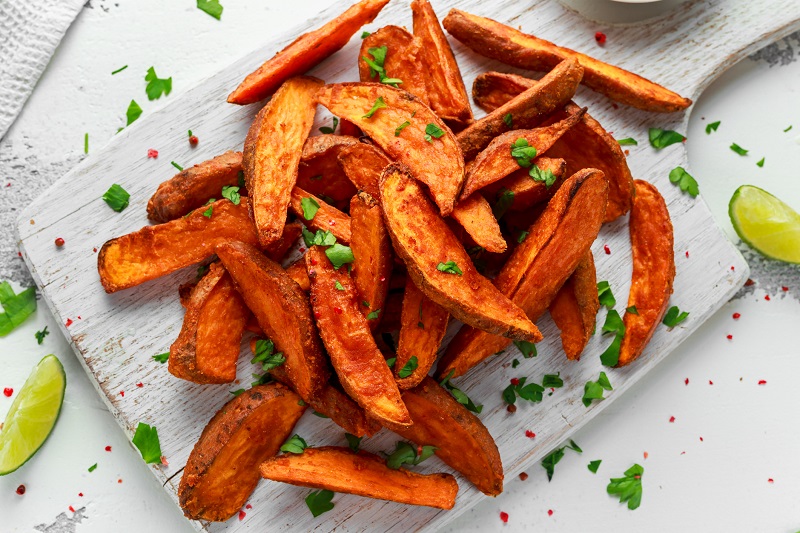
Why: Root veggies are some of our favorite fall foods! Classic sweet potato casseroles topped with marshmallows may not be a healthy choice when you’re trying to lose weight. However, the orange-fleshed spuds alone are a SmartCarb you can enjoy at this time of year. According to Livestrong.com, sweet potatoes are about 80 percent water and are rich in dietary fiber. Both of these factors can help you stay full while you lose the weight.

Try: Mexican Sweet Potato Toast pairs the zesty flavors of Southwest cuisine and the natural sugars of sweet potatoes to make a hearty meal that will keep you satisfied for hours.

Fall into Weight Loss: How to Lose Weight This Season with Nutrisystem

Read More

4. Spaghetti Squash

spaghetti squash

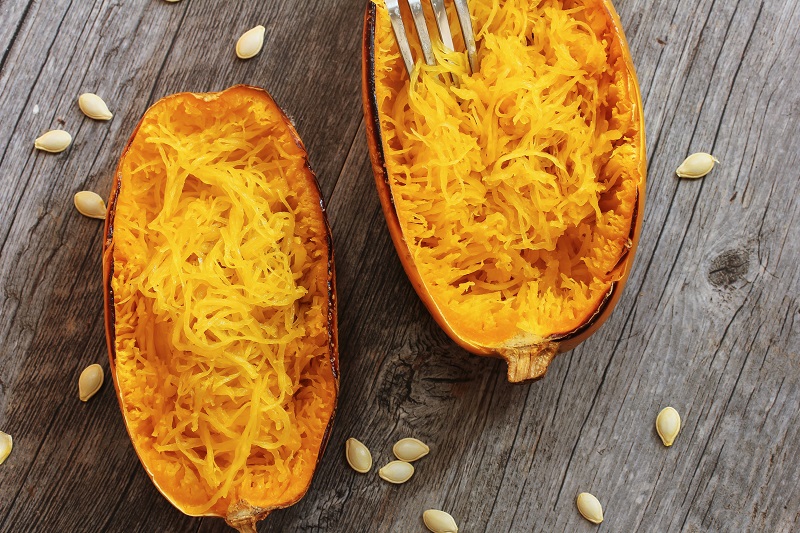
Why: When baked, this hard-shelled yellow squash can be scooped out in long, thin strands that you can eat like pasta. According to the USDA, one cup of cooked spaghetti squash has just 42 calories and over two grams of fiber. Compare that to the same amount of standard cooked pasta, which has 157 calories and less than two grams of fiber. This healthy substitution is what makes spaghetti squash one of our favorite fall foods.

Try: We remade a classic Italian dish with spaghetti squash and turkey in our Slow Cooker Bolognese with Spaghetti Squash Pasta. Your family will love it as much as your waistline does.

5. Cinnamon

healthy fall foods

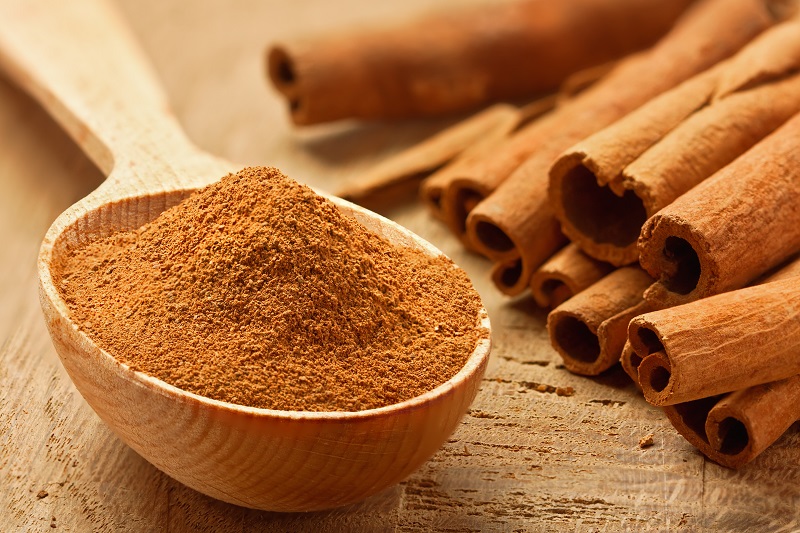
Why: Not only does cinnamon give food natural sweetness without adding calories, but it has also been found to help control blood sugar, says a report, published in the journal Nutrition Research. Cinnamon is a Free Food on your , so you can enjoy as much of it as you want.

Try: Our Cinnamon Protein Mug Cake recipe is loaded with flavor and energy-boosting protein but low in calories and sugar. Plus, it’s so quick and easy to make—no baking skills required.

6. Mushrooms

seasonal fall foods

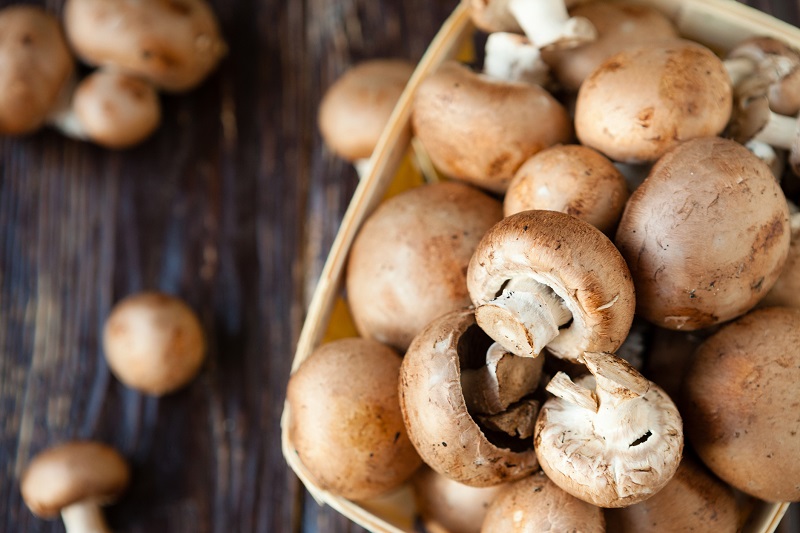
Why: “The practice of regular consumption of mushrooms is effective in the treatment of metabolic syndrome, including obesity,” according to a review, published in the journal Molecules. One study found that participants who ate mushrooms experienced a lower body mass index (BMI), decreased belly circumference and an increase in satiety.

Try: For parties or everyday snacks, Simple Stuffed Mushrooms bring you the benefits of mushrooms with the zingy flavors of marinara sauce and garlic and the creamy textures of ricotta and mozzarella cheeses.

5 Fun Fall Activities to Burn Major Calories

Read More

7. Oysters

seasonal fall foods

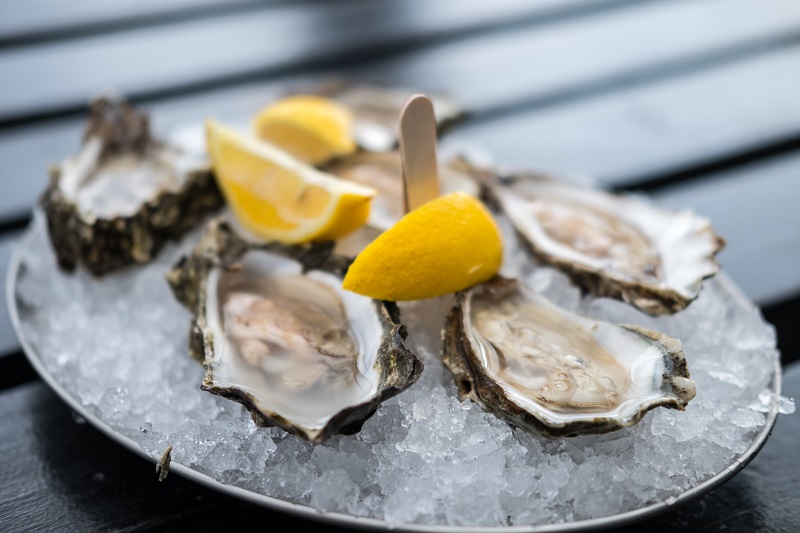
Why: Autumn is the peak season for oysters, the simple but flavorful shellfish that is loaded with protein and low in fat. According to the National Institutes of Health Office of Dietary Supplements, Oysters are a healthy source of chromium, a mineral that helps your body manage insulin and the use of protein, carbohydrates and fat.

Try: Many people eat oysters raw, but quickly grilling or baking them sweetens their flavor and gives their tender flesh a smooth, custard-like texture. However you prepare oysters, you can enjoy them with all of the hot sauce (a Nutrisystem Free Food!) that your taste buds desire.

8. Figs

seasonal fall foods

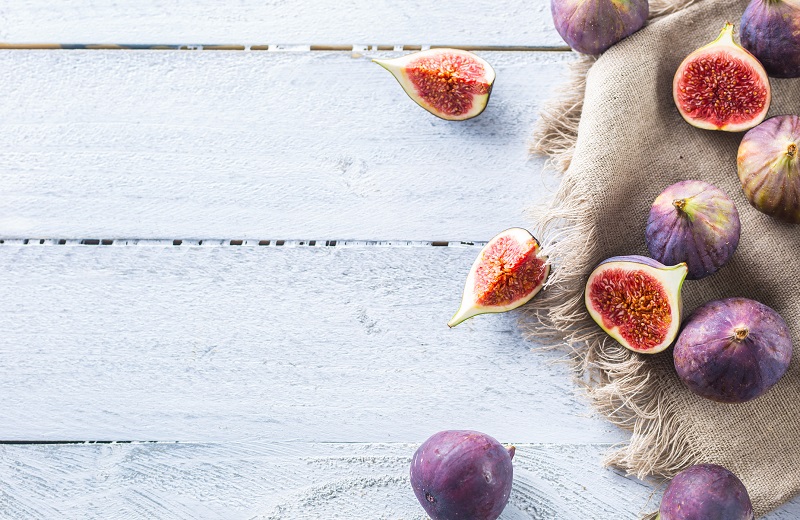
Why: Fresh figs are abundant in autumn. If you’ve never tried them, you’ll see they’re quite different from the cookie version most of us are familiar with. Figs are a SmartCarb, so they are high in fiber, which keeps you feeling full and your digestion working smoothly. The many tiny seeds in figs also help to absorb fats in your digestive tract before your body stores them, says the Metabolic Research Center.

Try: When your day is busy and you need a snack you can enjoy on the go, try our Maple Fig Energy Bites, which include another great fall flavor—real maple syrup.

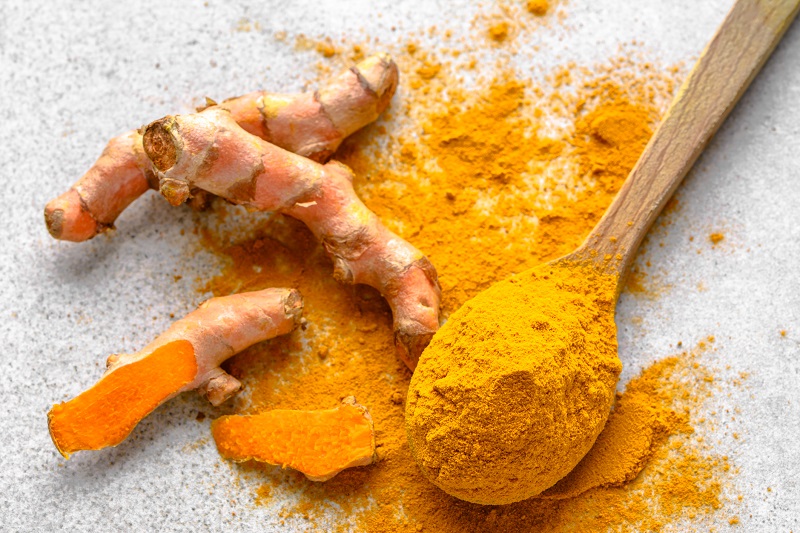
9. Turmeric

turmeric

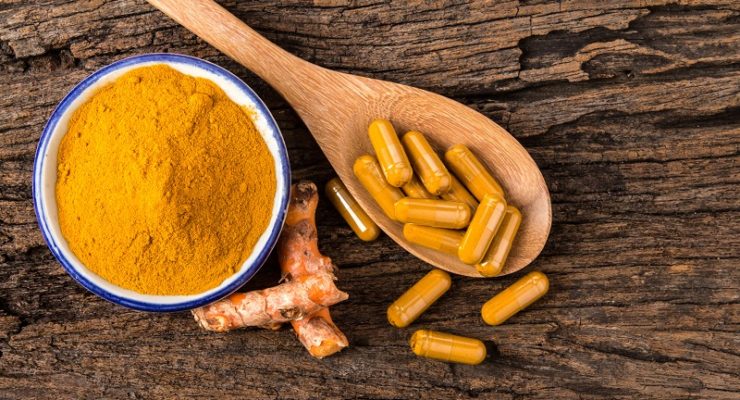
Why: The yellow spice that gives mustard its bright color contains curcumin, a compound that has natural antiviral properties, which we can all use these days. One study, published in Frontiers in Pharmacology, found that patients with metabolic syndrome and related disorders who took curcumin experienced a “significant reduction” in body mass index (BMI), weight, waist-circumference (WC) and leptin levels.

Try: Your whole family will love Boneless Garlic Ginger Chicken Bites, made in an air fryer so they’re loaded with flavor but lower in fat. Along with the turmeric, they are flavored with two other super healthy spices: garlic and ginger.

The Health Benefits of Turmeric

Read More

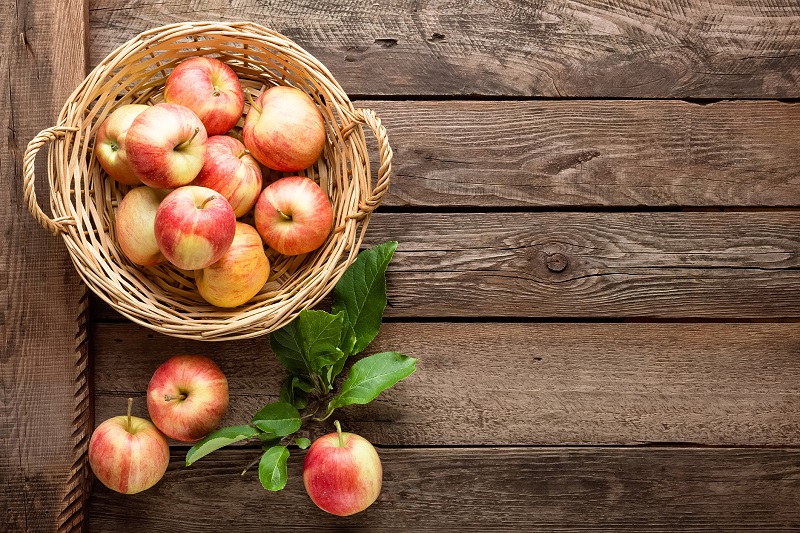
10. Apples

apples

Why: America’s most popular fruit is available in more varieties in autumn than any other time of year. In many parts of the United States, you can buy them directly from the orchards in fall, so you get to eat them when they’re as fresh as can be. Apples are loaded with fiber and a group of nutrients called “polyphenols,” which appear to reduce weight gain and the risk of obesity, says a report, published in the Journal of the American College of Nutrition. “There are many documents and studies that show fruit polyphenols likely promote anti-obesity effects and exert their beneficial effects via scavenging free radicals, regulating gene expression, and altering signal transduction in target cells and tissues, especially fat tissues,” says researchers.

Try: It’s hard to beat the simple satisfaction of biting into a crisp fall apple, but our remake of the classic Chocolate Caramel Apple just might become a new favorite.

For more healthy seasonal fall foods to enjoy on your weight loss plan, check out some of our favorite colorful fall recipes!

The post 10 Fall Foods for Fast Weight Loss appeared first on The Leaf.


from The Leaf https://ift.tt/LNu9V0l

12 Healthier Versions of Your Favorite Fall Desserts

Pumpkin, apple and maple—oh my! Enjoy the flavors of fall with these delicious and indulgent fall desserts to satisfy any craving. Cozy up by the fire and have one of these seasonal, perfect treats that will bring you the taste of autumn in every single bite.

These guilt-free desserts are not only delicious, but they are also made with perfectly picked ingredients to pack in the nutrition and keep you on track, all while curbing those sweet cravings. Who said dessert has to be unhealthy? Try one of these tasty fall dessert recipes!

1. Crustless Pumpkin Pie

crustless-pumpkin-pie

No need to wait until Thanksgiving to enjoy your favorite holiday dessert—and this recipe focuses on only the best part: the creamy, pumpkin filling. You bake it the same way as a traditional pie—minus the unhealthy crust. Top your slice a dollop of nonfat whipped cream and a sprinkle of pumpkin spice for the full flavor effect. This treat is sure to become one of your all-time favorite fall desserts. Click here for the full recipe! >

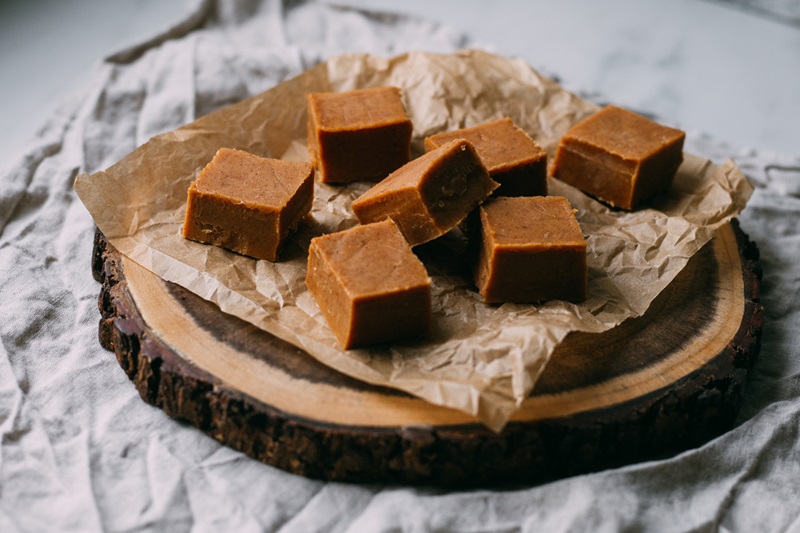
2. Gingerbread Freezer Fudge

gingerbread freezer fudge

Perfectly spiced and simple to make, this rich and festive treat is bursting with flavor. At only 88 calories per piece, you can pop a frozen fudge square in your mouth, or let it thaw for a few minutes so it’s creamy enough to bite. Just be sure to count it as three Extras on your Nutrisystem plan. Click here for the full recipe! >

For your next batch of fudge, try this Pumpkin Spice version! > 

3. Air Fryer Baked Apple

Air-Fryer-Baked-Apple-with-Walnuts-and-Raisins

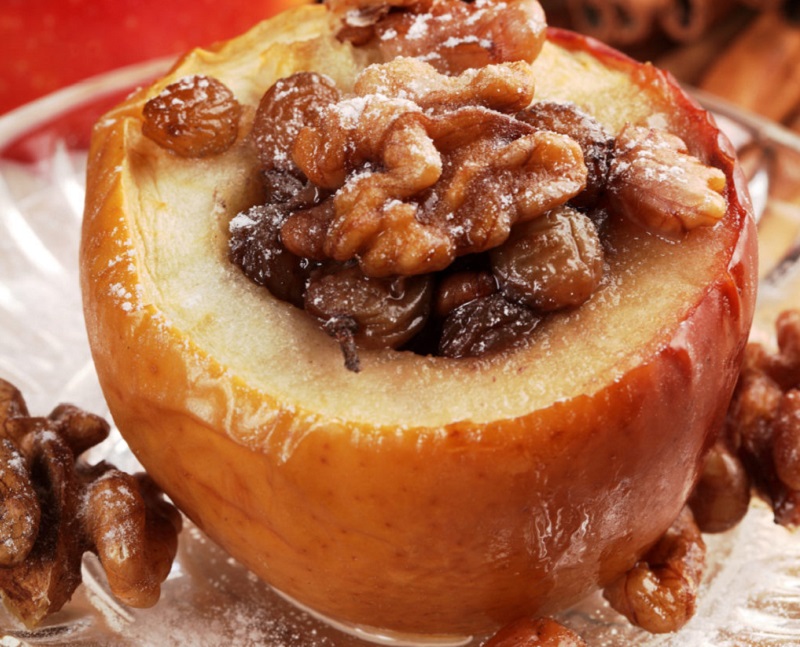
Step aside apple pie: this decadent dessert is the perfect healthy alternative, made with nothing more than a whole apple, chopped walnuts, raisins, a smidge of butter and spices. Set it in an air fryer for 20 minutes and out comes a soft, baked and beautifully caramelized fruit that’s filled with healthy fats and satisfying carbs. Swap the apple for a pear, if you prefer, for an equally delicious option. Click here for the full recipe! >

4. Sweet Potato Pie Nice Cream

Sweet-Potato-Pie-Nice-Cream

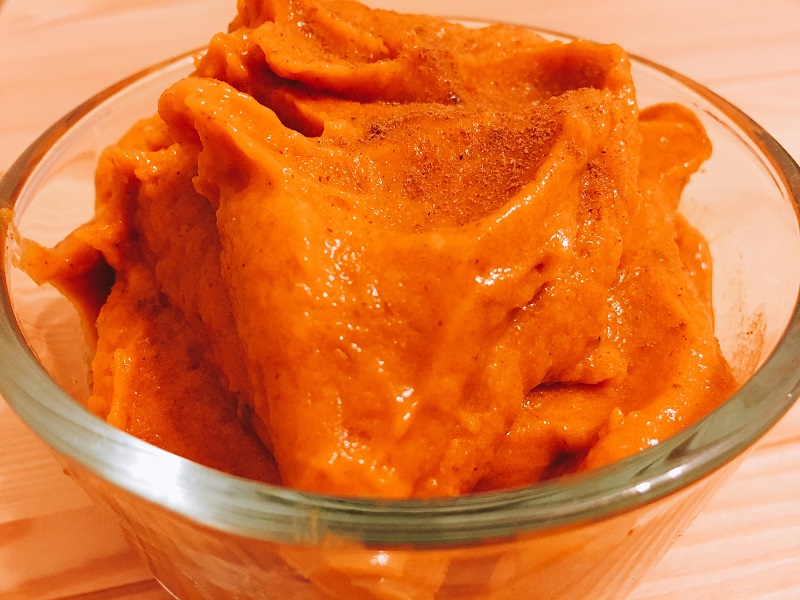
It’s a combo you may not expect, but one that’s worthy of a taste test. Sweet potato, maple syrup, cinnamon and nutmeg provide the traditional southern pie flavor. Nutrient-dense frozen bananas and unsweetened vanilla almond milk blend to create a thick and creamy ice-cream-like treat. Together, you get a refreshing cup of deliciousness that’s high in fiber, low in sugar, and without all fat of regular ice cream. Click here for the full recipe! >

For another autumn spin on a summer favorite, try the Skinny Pumpkin Ice Cream! >

5. 4-Ingredient Pumpkin Brownies

chocolate pumpkin brownies

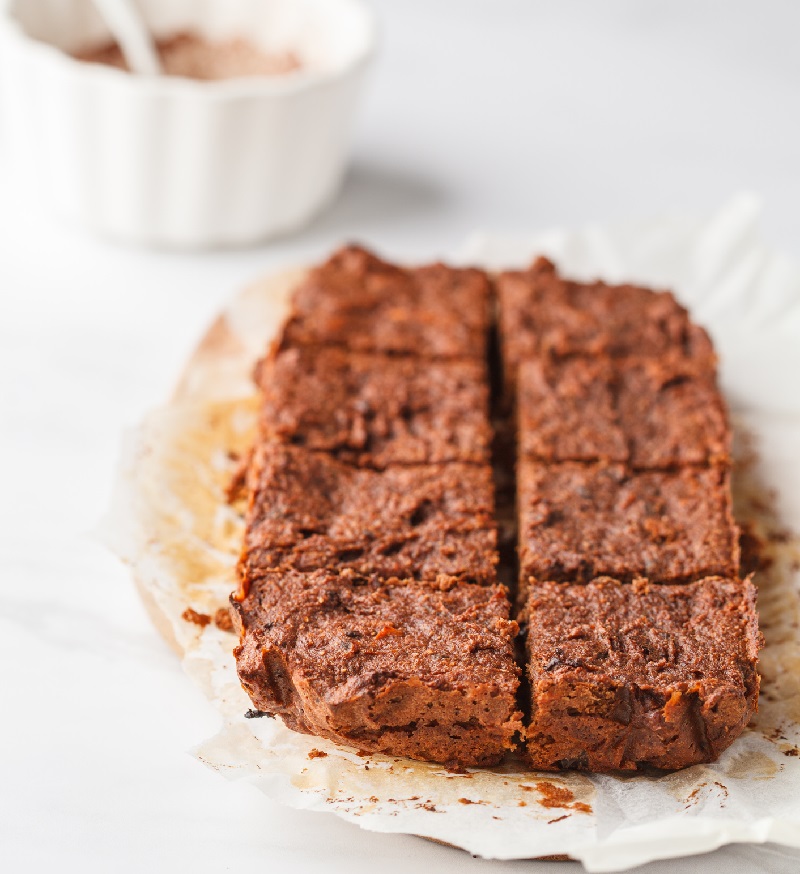
Need a sweet and simple dessert for a holiday potluck? These crazy-good brownies are the perfect pick. Pumpkin puree, mashed banana, peanut butter, cocoa powder and 15 minutes in the oven gets you an impressive confection that’s sure to please your party crowd. Click here for the full recipe! >

6. Berry Easy Bread Pudding Mug Cake

Berry-Easy-Bread-Pudding

Have whole wheat bread left over from lunch? Turn it into a sweet, low-cal dessert that takes no time to make. Cut the slices into one-inch cubes and toss them into a mug with egg whites, almond milk, cinnamon and a handful of your favorite berries. A few minutes in the microwave and voila—delicious bread pudding for only 127 calories. Click here for the full recipe! >

7. Pumpkin Spice Mug Cake

Pumpkin-Mug-Cake

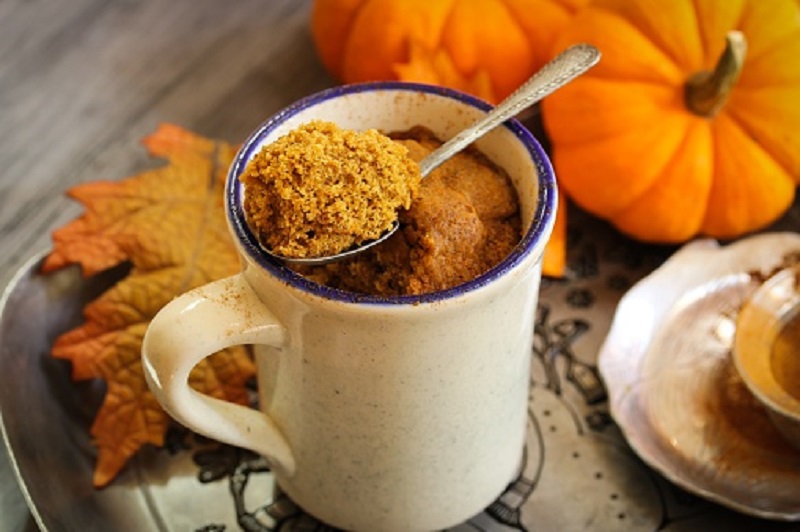
No need to crank up the oven: You’re all set with a mug and a microwave to make this tasty cake. Just combine all the ingredients—canned pumpkin, pumpkin spice, nonfat milk, healthy whole-wheat flour, baking powder and vanilla extract into your favorite coffee cup; microwave for a little over a minute, grab a spoon and dig into your personal pumpkin-flavored treat. Click here for the full recipe! >

8. 3-Ingredient Sweet Potato Muffins

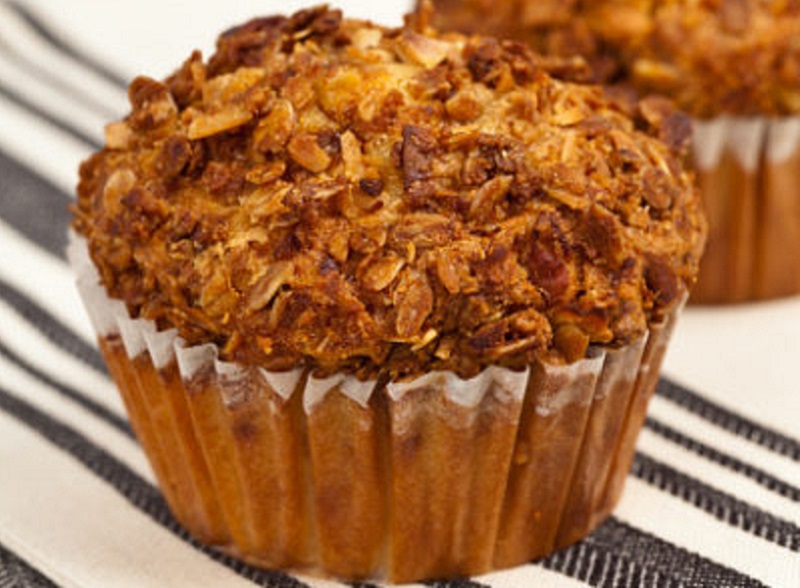
sweet potato muffin

The first ingredient is the vitamin-packed, fiber-rich, naturally sweet potato. Next is some satisfying rolled oats, followed by a generous pour of delicious maple syrup. Mix together, bake until golden and enjoy for something sweet and a super-healthy treat. If you’re smart, you’ll make a lot: these are sure to disappear quick once your loved ones get a whiff. Click here for the full recipe! >

9. Pecan Pie Fall Fudge

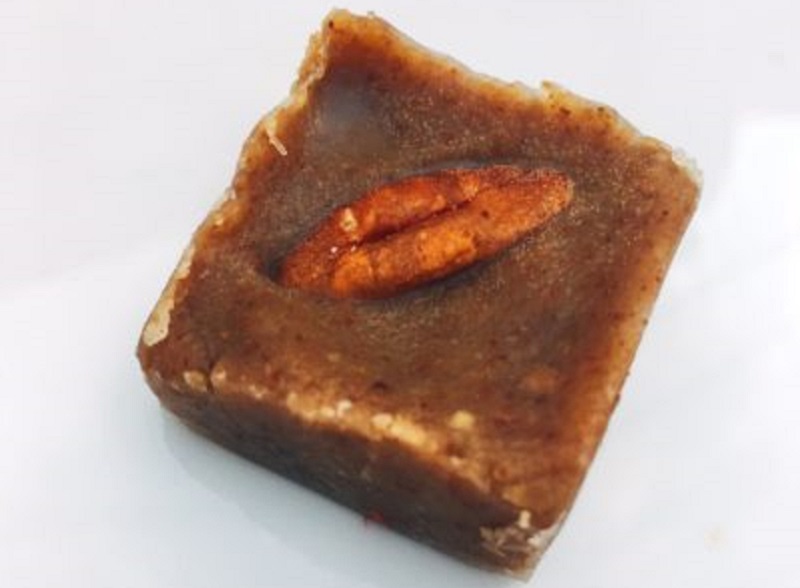
pecan fudge

Get all the flavors of your favorite pie, without all the effort of baking. Just combine pecans, maple syrup, coconut oil, cinnamon and extracts; then spoon the mixture into an ice cube tray. One hour in the freezer and the cool fudge squares are ready to eat. Click here for the full recipe! >

10. Slow Cooker Pumpkin Rice Pudding

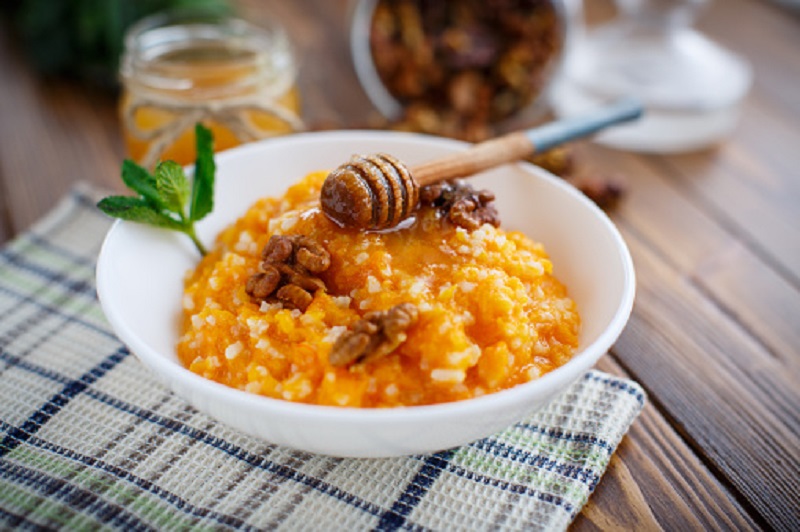
pumpkin-rice-pudding

It’s like a sweet bowl of comfort that is made with the best tastes of fall. There’s pumpkin puree, nutmeg, allspice, ginger and cinnamon in this version of the classic pudding; the milk is vanilla-almond, and the rice is brown and full of filling fiber. Three hours in the slow cooker, and you’ve got enough dessert for your whole family. Top each serving with maple syrup for an added touch of sweet and pumpkin seeds for crunch. Click here for the full recipe! >

11. Easy Thumbprint Cookies

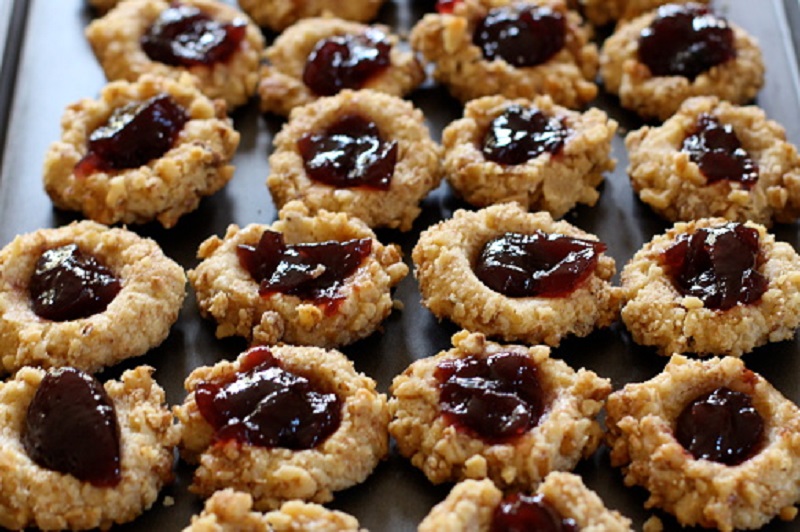
thumbrpint-cookies

Rolled oats, banana and cinnamon—that’s what’s in the cookie. Your favorite jelly—that’s what gets spooned into the center circle. Ten minutes—that’s all the time it takes to bake these tasty cookies. Make them in bulk to serve at your next gathering, or store them in an air-tight container to enjoy on your own. Each cookie counts as one SmartCarb. Click here for the full recipe! >

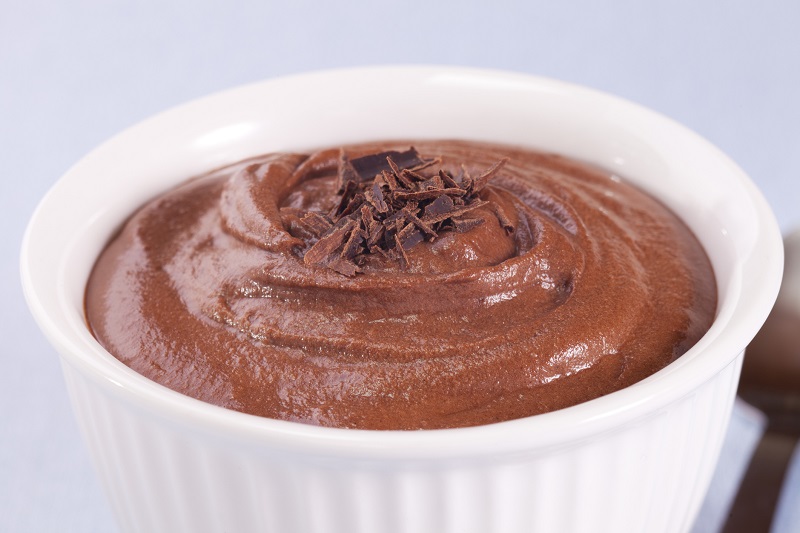
12. Mint Chocolate Chip Pudding

Mint Chocolate Chip Pudding

When you think of your favorite fall desserts, chickpeas is likely not the first ingredient that comes to mind, but that’s the protein-rich base of this delicious pudding. Dates sweeten the mix, cocoa powder brings the chocolate, cocoa nibs add a little crunch, and mint and vanilla provide the sweet flavor combo you’ll love. Click here for the full recipe! >

The post 12 Healthier Versions of Your Favorite Fall Desserts appeared first on The Leaf.


from The Leaf https://ift.tt/Bs6nHKx

Losing inches not weight

I have been at a weight plateau despite definitely being in a calorie deficit and adding on HIIT 1 week ago, switching from a desk peddler and 10 minutes of walking combined with 10 minutes on a step platform (calorie deficit has been a lot longer) and it has been driving me bonkers. I decided to check my measurements and my thighs have both lost 5 inches in 4 months. Frustratingly, my waist has gained half an inch. This is a good non scale victory, but how do I get the weight loss kick started again? I eat 1400 calories a day (I use measuring cups and track everything) so I don't understand why my weight has plateaued. I'm at 219 and have been for weeks. Usually a few pounds would drop off when I have my period, but it's skipped since I started HIIT as my body adjusts to the new more intense workout.

submitted by /u/IdrewApictureOf
[link] [comments]

from loseit - Lose the Fat https://ift.tt/lteXhKZ

★OFFICIAL DAILY★ Daily Q&A Thread September 24, 2025

Got a question? We've got answers!

Do you have question but don't want to make a whole post? That's fine. Ask right here! What is on your mind? Everyone is welcome to ask questions or provide answers. No question is too minor or small.

TIPS:

  • Include your stats if appropriate/relevant (or better yet, update your flair!)
  • Check the FAQ and other resources in the sidebar!

Due to space limitations, this may be a sticky only occasionally. Please find it daily using the sidebar if needed.

Don't forget to comment and interact with other posters here, let's keep the good vibes going!

Subreddit guidelines

Daily Threads

Weekly Threads

submitted by /u/AutoModerator
[link] [comments]

from loseit - Lose the Fat https://ift.tt/q6JNFgy