Friday, February 15, 2019

“Fat” Is Not a Synonym for “Ugly,” and Other Lessons from the Fat/Body Acceptance Movement That Are Helping Me Lose Weight

This started as a comment on another post, but I really wanted to post about it (and expand upon it) separately as well.

One of the most important things I have learned recently (within the last couple years) is to stop conflating “fatness” with “ugliness.” We, women especially, are taught to do this from a young age. When a friend says, “I’m so fat!” our response as her friend is always expected to be, “No, don’t say that, you’re beautiful.” In doing so, we position “fat” as the opposite of “beautiful,” and therefore as a synonym for “ugly.”

But “fat” is the opposite of “skinny” or “fit” or “healthy weight.” Not “beautiful.” Fatness is an objective measurement; you are either a healthy weight or not. Beauty, on the other hand, is subjective. But when we conflate an objective measurement like fatness with a subjective measurement like ugliness, we begin to think that ugliness is just as objective, and if we’re fat, we’re objectively ugly. And ugliness, unlike fatness, is not something we can so easily control. So maybe we start to think we can’t control our fatness.

Because of this, I stayed in denial about how much weight I had gained for too long. Accepting my fatness meant accepting objective ugliness, and I wasn’t emotionally willing to do that. By getting to the point where I could understand that these were different things, I was able to examine my fatness on its own as an objective measurement of my body. I am fat. That does not mean I am ugly. And only by being objective and honest about my fatness, without the conflation of ugliness, have I been able to take accurate stock and admit my need to change.

Now, this will be the most controversial part of my post, but this is why I hate the amount of hate that the Fat Acceptance movement gets. They are the ones that have really pushed the idea that we need to stop conflating “fatness” and “ugliness.” Without Fat Acceptance ideas, I would have continued to conflate these two things and continued to be in Fat Denial. Fat Acceptance and plus sized models also help drive an actually-fashionable plus sized fashion industry, and that allows me to keep my self-esteem and confidence in balance enough to avoid self-loathing depression. If you can’t find clothes that make you look good and professional, it’s easy to want to avoid interactions at work and just shrink away, because how you look is always on your mind, and that makes your performance suffer and leads to doubting your abilities, which can lead to stress and depression, neither of which are helpful for weight loss. But when I have an important meeting, I can put on my plus-sized striped blazer (yes, horizontal stripes, and they look good), slap on some boss red lipstick, and own that meeting like I’m supposed to. That’s only possible because there are plus-sized professional clothing options that look good, and we’re not just relegated to the world of muumuus and stretch pants. The Fat Acceptance movement also gave me the ability to accept my body’s existence in a new way. As someone who’s always been overweight, I just wanted my body to go away. I took up too much space in a crowd, I was in people’s way, I hated how I looked, I hated my body. I think most people who get healthy recognize that body hatred doesn’t lead down the correct path. But in Fat Acceptance, I saw fat bodies posing and doing activities and taking up space and not standing/sitting/existing in all of the unobtrusive and overly polite ways I did. It was only then that I started to have a positive relationship with my body. It was only then that I believed my body had a right to space like anyone else’s, including a right to take up space in a gym, or on a walking/biking trail. I don’t just admire the skinny women just sitting around in beautiful clothes anymore; I admire the women in the gym, hair up, no makeup, with their defined biceps and watermelon-crushing thighs. Now, I no longer hate my body, I respect it. I no longer think about how much happier I’d be if I made it mostly disappear, I think about all the things I want it to do. This is all entirely because of the Fat Acceptance movement and learning that myself and my body deserve to exist and be treated kindly no matter what size I am, haters and body-shamers be damned.

Striving to be a healthy weight is good, certainly, but keeping it up for the long-term requires establishing self-love first and learning to make the decision truly for yourself and not because of societal expectations. Before I could really start losing the weight, I had to find Fat Acceptance. Some people are still in the stage where they are learning to love themselves, and they need Fat Acceptance more than weight loss advice. Some people may never leave that stage. Because we are not them, we should not judge them harshly against the standards we set for ourselves. We don’t know their lives. The important thing is, our society positions us to have unhealthy relationships with our bodies. We are bombarded with unreasonable beauty standards (both male and female, not even considering the way those standards make trans* folks feel), media that conflates thinness with goodness (Disney’s fat characters were pretty much only villains and servants of the beautiful main characters - Shrek has a way better message than Beauty and the Beast in that regard), and constant advertising for the diet industry meant to make us feel bad about our bodies so we’ll buy more products. We have to learn to decide to get healthy on our own terms, for our own reasons, and for our own bodies’ needs.

Fat Acceptance empowered me to make my own decisions about my body’s needs. I am now truly choosing to lose weight for me, not because of the discomfort it causes society. And because I’m doing it for me, I have more motivation to keep going than ever.

submitted by /u/lumabugg
[link] [comments]

from loseit - Lose the Fat http://bit.ly/2IhFU3P

How important is sleep in relation to weight loss?

For the past 2 months +, I have been consistently losing 1kg/2.2lb per week.

Since 1st of February, I started to get only 2-5 hours of sleep each night as I am too busy with my exams. My calorie intake remains to be at 1000 to 1300 and I still exercise 4 - 6 times a week. Except for the amount of sleep I've been getting and my stress for the exams, everything else has been the same. However, my weight has been at 86.0KG since 1st February.

I feel a little down as I wanted to reach 82KG by end of Feb but that's not going to happen.

Once my exams end, I plan to get sufficient sleep and put 100% of my focus into my weight loss (meaning exercising everyday and getting stricter on my diet). Is it by any chance possible that my weight will decrease rapidly, since I'm finally having enough sleep? I don't really know if you guys understand my question, but it's worth trying to ask!

Any advice or insights not related to the questions or anything please comment too! Just want some motivation and some place to talk/rant to.

submitted by /u/checkyom8
[link] [comments]

from loseit - Lose the Fat http://bit.ly/2TOAbDK

Dr. Prescribed Contrave - been wonderful so far

Just thought I'd share my experience.

I'm a large guy (IE: > 350 lbs). I go to the gym 3-5 x a week, do 5k on the elliptical (current record is 20:34), then lift weights. I'm in decent shape for the shape I'm in. But I always end up eating too much and my diet just ruins it. I've made healthy changes and seen some progress but it hasn't been what I was hoping. I had lost 50 lbs. in the past through diet and exercise and, over 2 years, it crept back in.

So my doctor prescribed me Contrave. I'm skeptical because I read not so good things about weight loss medicine but thought I'd give it a try.

WOW. I should be the spokesperson. I think if there was someone they were targeting with this drug it was me.

Since the first pill I took I have NOT BEEN HUNGRY. At all. For days. I have to tell myself to eat something. It's a very strange feeling and hard to describe. I've always wondered if there was something wrong with me because it seems like I was always either 'full' or 'hungry'. Now, I feel like I'm 'not hungry' which is a totally new feeling for me. I'm aware this may be a placebo effect but hell, bring it on!

This wasn't meant to be an advertisement and if it's not allowed, that's cool just delete. I just wanted to share. Coming from a place where I felt like it was a struggle I thought I'd share my experience.

submitted by /u/therespectablejc
[link] [comments]

from loseit - Lose the Fat http://bit.ly/2DFY0a6

I compulsively weigh myself anytime I see a scale

Hello all! Just wondering if you could offer some advice to a person who often finds themselves falling into toxic patterns when it comes to weight loss. As the title suggests I weigh myself every time I see a scale. I’m obsessed with watching numbers go down. But when I get on and it’s higher I instantly feel ashamed. And I know it’s illogical. I know weight fluctuates constantly depending on water intake bathroom habits sodium intake and a slew of other factors. And yet I can’t stop myself from stepping on the scale every time I see it. My efforts are working I have definitively lost 25 pounds but the feelings of guilt anytime the scale is up higher than my lowest is getting out of hand.

Tldr; I weigh myself anytime I see a scale and it’s wrecking me mentally.

submitted by /u/trashpanda9395
[link] [comments]

from loseit - Lose the Fat http://bit.ly/2TRYpwO

5 Nutrients Your Body Needs More of This Winter

10 Grocery Storage Tips to Make Your Food Last Longer

You spend so much on groceries you want to make them last as long as possible. Sometimes we end up wasting the precious food we buy because we can’t get to them as fast as we’d intended. But there are some simple strategies for grocery storage that can help you keep the food you buy at its healthy peak until you’re ready to eat it.

Whether it be the wrong storage temperature, where you’re storing your produce, or how you’re storing it, there are many factors that play into the longevity of your fresh groceries. But, there are convenient ways in which can you ensure you are taking the proper precautions to make those expensive groceries last.

Here are 12 grocery storage tips to make your food last longer:

1. Ideal temps

food temp

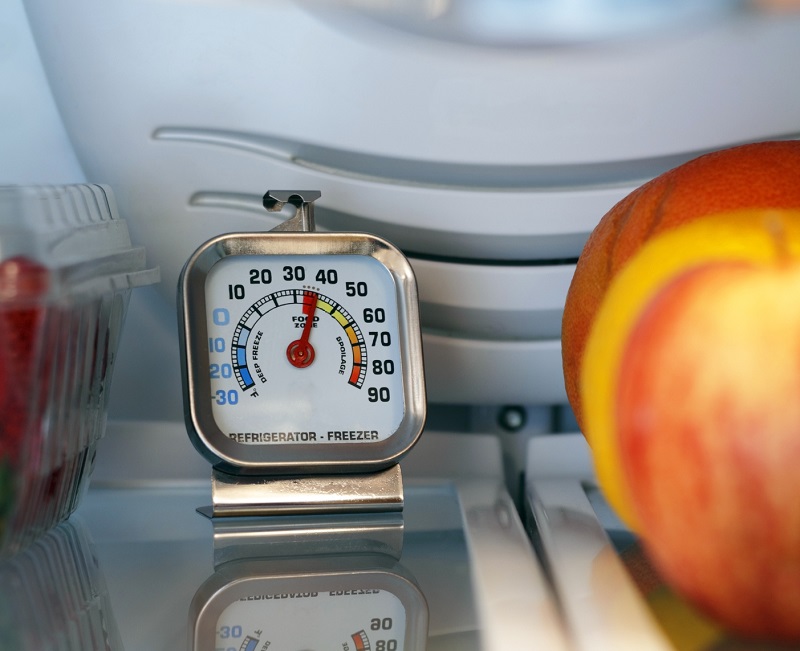
Grocery storage efficiency is highly based on the way you store your food. Today’s refrigerator-freezers are more efficient and offer you more control than ever before. According to Storing Food for Safety and Quality, you should set your refrigerator to stay below 40 degrees F and the freezer below zero degrees F. At these temperatures, your food stays fresh and free of unhealthy bacteria.

2. Door jam

door jam

The temperature of the items stored on the shelves in the door fluctuates more than those inside the refrigerator, which can speed up the spoiling of perishable foods, such as milk and eggs. Use the door shelves for sealed jars and more stable items, such as mustard and pickles.  Put dairy products, fresh meats and other foods susceptible to temperature changes in the back—the most consistently cold part of the fridge.

3. Separate but equal

separate compartments

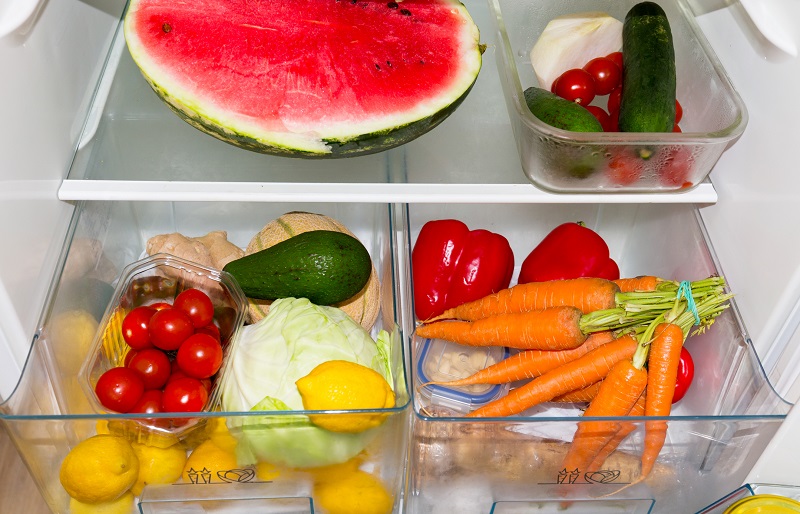
Most refrigerators have separate grocery storage compartments for fruits and vegetables for good reason. Vegetables last longest in humid conditions, but that can lead to mold on fruit. As certain types of fruit ripen, they release ethylene gas that causes vegetables to spoil quickly. And strong-flavored vegetables, such as onions, can influence the taste of sweet fruit. Keep them apart.

10 Brilliant Space-Saving Hacks for Your Kitchen

Read More

4. Chill and damp

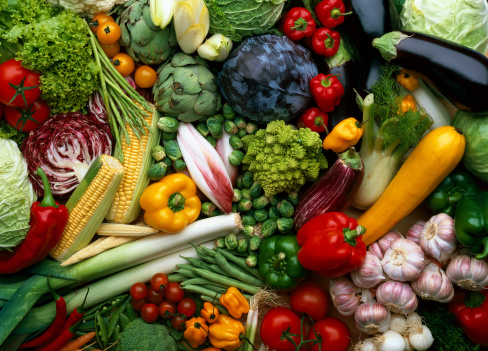
vegetables

Research conducted by Penn State University investigated the effects of our grocery storage for vegetables. Lettuce, spinach, cucumbers, bell peppers, broccoli, asparagus, cauliflower, eggplant and many other tender vegetables stay fresh for up to a week in the fridge. Leaving them in a plastic bag or putting them in the crisper drawer helps maintain the 90 percent humidity that is best for them.

5. Tomato exception

tomatoes

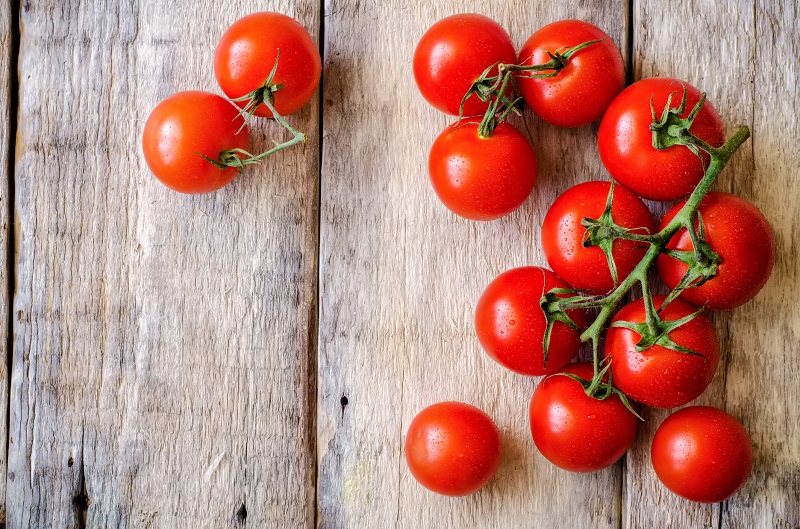
Refrigeration keeps tomatoes from rotting, but their flavor becomes blander and their texture mealier when chilled. Store tomatoes at room temperature and eat them within three to four days.

6. Cool and dry

grapes

Grapes, berries and stone fruits such as cherries, peaches and plums need lower humidity to fend off mold and other causes of fast decay. Store them in a drawer where you can set the humidity below 80 percent.

Veg Out! 6 Simple Ways to Sneak in More Veggies

Read More

7. Put down roots

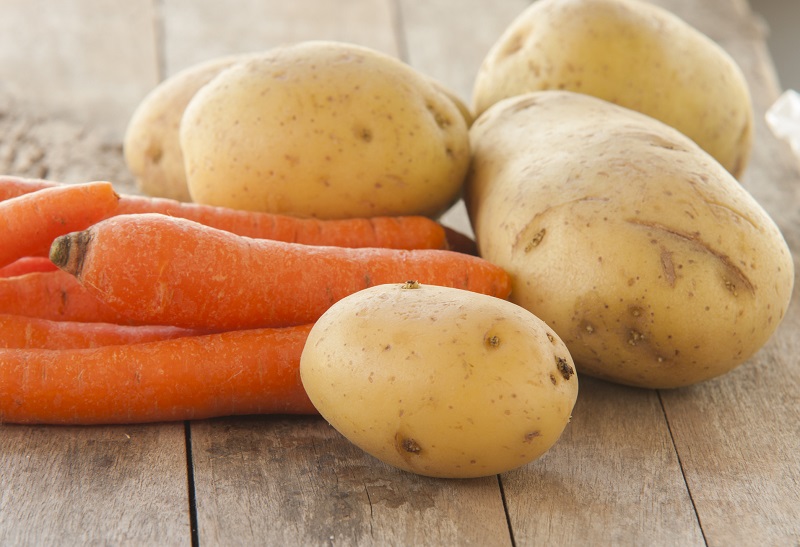
potatoes and carrots

According to Cornell Cooperative Extension, in the cool, dark conditions of a basement or pantry, potatoes (white and sweet), carrots, onions, garlic and other root crops keep for weeks—no refrigeration needed. Winter squash, including butternut and pumpkins, and apples hold up well in these spaces, too. Just be sure all of these items are completely dry when you store them and check periodically to remove any that have begun to spoil so you can get rid of them before the problem spreads.

8. Wash when ready

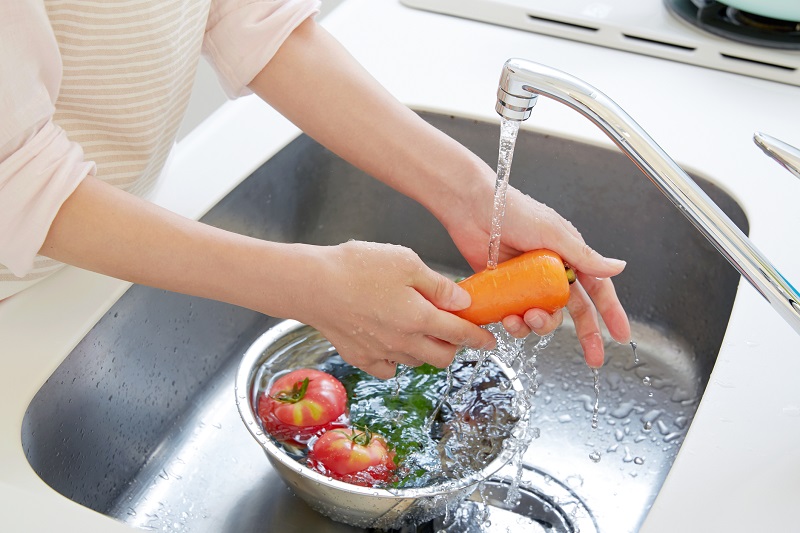
washing vegetables

Wait until you are preparing to eat any produce before rinsing it. Any moisture left behind when you store it can be a breeding ground for mold or bacteria.

9. Freeze in portions

grocery storage

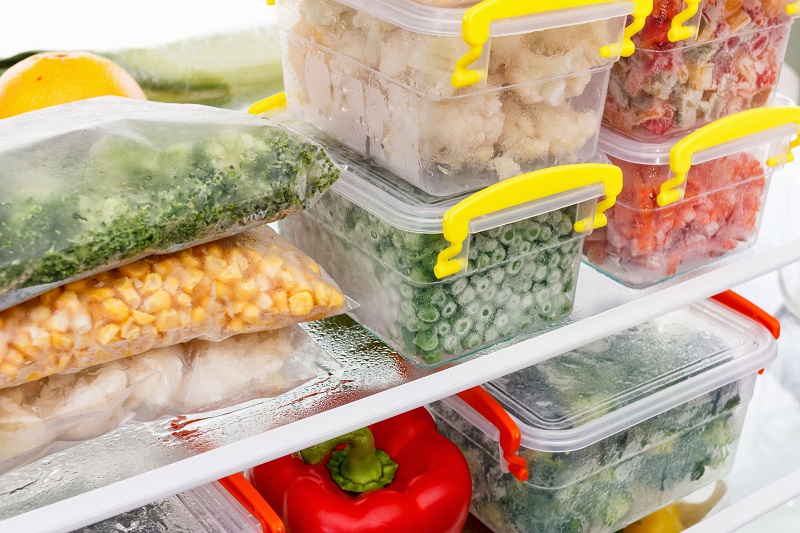
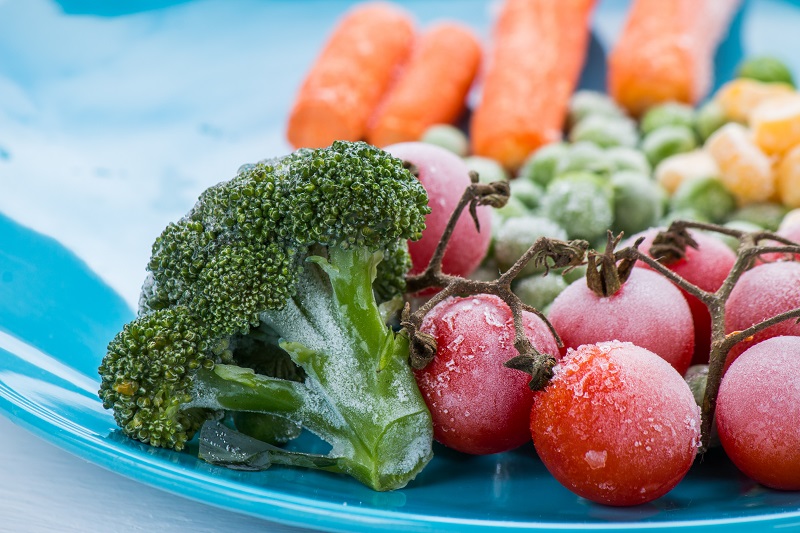
Frozen food retains its nutrients better than aging fresh food. But frozen food can slow you down when you’re in a hurry and repeated thawing and freezing causes the food to lose quality and may even give unhealthy microbes a chance to grow. Break up items you want to freeze into individual portions so you can defrost only as much as you’ll eat at one time.

Slow Metabolism? Here Are 5 Ways You’re Sabotaging It

Read More

10. Thaw safely

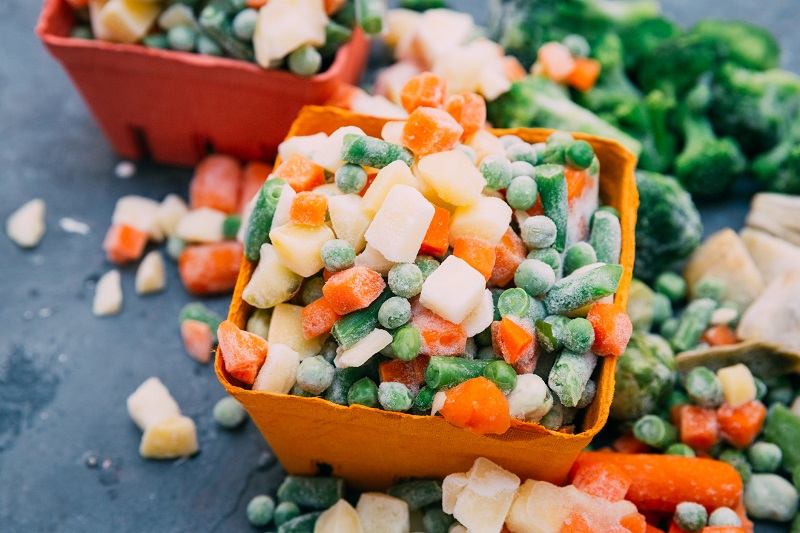
frozen vegetables

According to the United States Department of Agriculture (USDA), frozen food can keep for months, but the transition from frozen to ready-to-cook is critical to maintain its quality and safety. Do not leave frozen food at room temperature for more than two hours and beware of trying to defrost it in hot water. Instead, allow food (especially raw or cooked meat) to thaw in the refrigerator or use the defrost function on your microwave oven. Food that’s thawed should be cooked immediately.

11. Four-day max

leftovers

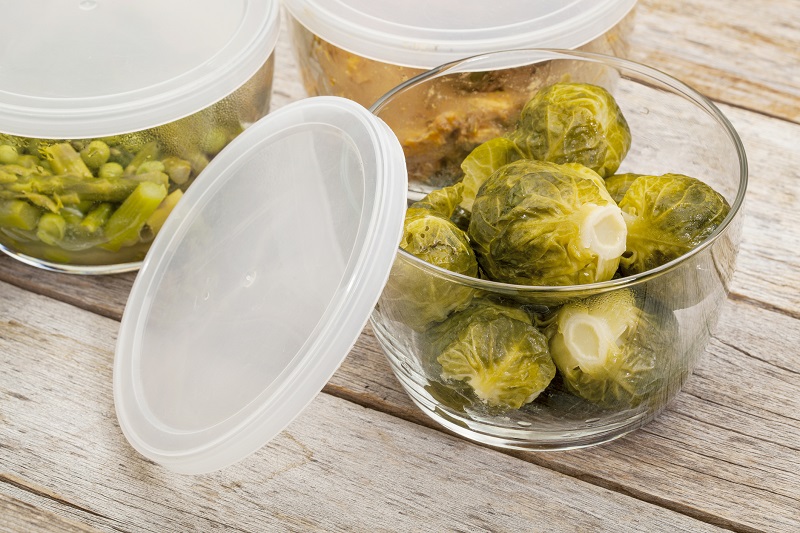
Making extra portions is a smart way to ensure you have healthy food options to eat when you’re working toward your ideal weight. But leftovers stored in the fridge begin to deteriorate in a few days. Even worse, you may not always be able to tell by appearance or aroma that food has spoiled. Nearly all experts agree that you should discard leftovers after four days, no matter what. The best way to handle leftovers you won’t eat in a day or two is to freeze them right away in single-serving portions.

12. Check the app

app

Your phone or tablet can be an invaluable tool for keeping your groceries longer thanks to the free FoodKeeper app, created by the USDA, in partnership with Cornell University and the Food Marketing Institute. It gives you storage timelines for a wide variety of products, including those stored in the refrigerator, freezer and pantry. Its handy calendar lets you keep track of when you purchased your groceries and sends you helpful reminders when they are close to the end of their freshness date. The app is available for Apple and Android devices.

The post 10 Grocery Storage Tips to Make Your Food Last Longer appeared first on The Leaf.


from The Leaf http://bit.ly/2IiQmrI

Mega commuters + Working out?

Hi! Long time lurker! I know the simple answer to my question, but curious to hear other people’s experience, and advice. Apologize in advance if formatting is funky, since I’m on mobile (commuting).

I have a long commute. 2ish hours each way. I usually leave the house at 7:20 and get in the office around 9:15. I leave anywhere from 4:00-5:00 and get home around 7 most days.

I typically go to a 6:30 or 7:30 gym class. Which is fine. But lately I’ve been so tired after work and commuting, plus on nights I go to the gym I don’t eat until 8 or 9 PM... so it’s been hard getting myself to the gym at night.

The only morning gym class I could go to would start at 5:45am, which is very very early for me. I’d have to wake up at 5:15 and go to bed so much earlier, and lose some ‘me time’ hours at night in exchange for sleep.

I know exercise isn’t necessary for weight loss, but it does help tremendously in how I personally feel overall. And I know I just have to suck it up and decide to either go at night or in the AM.

Does anyone else have long work hours and still manage to work out? What has been your experience? What has worked, and what hasn’t?

submitted by /u/Doggodonut
[link] [comments]

from loseit - Lose the Fat http://bit.ly/2BBbaVq