Saturday, December 5, 2020

I'm starting to enjoy the feeling of hunger. Is that bad?

So I used to hate feeling hungry. I'm not sure why that is, but it definitely was a reason I'd overeat.

Since starting to get back on the weight loss train around 8 weeks ago, I've started fasting every day. I usually do 16 hours fasting and 8 hours where I can eat between usually 4pm and 12am (I'm a night owl).

At the start it was really tough. The feeling of hunger was quite painful and distracting. However, now, I have come to realise I'm starting to enjoy that feeling. I keep pushing how long i can go not eating anything.

I also use this as a way to enjoy a cheat meal (like some junk fast-food). I will not eat all day and just have the one meal that day.

Is this dangerous or unhealthy?

I never feel lightheaded or anything. I'm still a big guy (120kg).

If you've any advice I'd appreciate it.

submitted by /u/jigglyjosh92
[link] [comments]

from loseit - Lose the Fat https://ift.tt/39JV6md

i need advice

i lost weight through a calorie deficit but i went down the wrong road and started eating way too little. i don’t want this to continue so will be attempting to up my calories to the CORRECT deficit to continue a sustainable weight loss journey. i also really really really want to start weight lifting but i’m so weak. i do hiit workouts for five minutes and have to stop. i also have no gyms near me nor the money for equipment/memberships :( i would’ve loved to tone my body with the weight lifting (especially gaining a bum lol) but i feel like there’s no way to do so. i also heard that building muscle helps boost ur metabolism and that’s something i really need. :(( any advice

submitted by /u/gisellecfate
[link] [comments]

from loseit - Lose the Fat https://ift.tt/2IfCv6e

Weekly Progress Tracking Spreadsheet

After posting my thread a few days about my journey, I got many messages asking if I could share my weekly progress spreadsheet. I’m a huge data nerd and found collecting info about my journey really kept me motivated and almost made the process a hobby.

Here is what it looks like filled out: https://imgur.com/SWsmdcx

Here is a link to my weekly progress spreadsheet that you can copy

https://docs.google.com/spreadsheets/d/1ZLDVqXwgDqvi6e0gThDZT9fq8LqU8ng_2QRfHkSc2I0/edit?usp=sharing

To use it, fill out the highlighted fields when starting ( the rest are auto-populated) . Then you just weigh in the same time/day every week, and log it on the right

Here are the fields to fill in when starting: https://imgur.com/OAA5hZY

And the weekly portion: https://imgur.com/2ciquG4

Here are the feature it has:

· Calculates amount lost per week

· Counts weeks of your progress

· Averages weight loss per week

· Current and goal BMI calculation

· Calculates Goal days based on current weekly weight loss average

· Calculate goal progress – percent to goal, total weight loss

submitted by /u/CancerAndHeresy
[link] [comments]

from loseit - Lose the Fat https://ift.tt/3lLikuG

What Your Plate Means for Your Weight Loss

Remember how your parents used to urge you to “clean your plate” at every meal? Depending on what years you were a kid, your plate might have been 9 inches, 10 inches, 12 inches or even larger, says Dr. David Friedman.

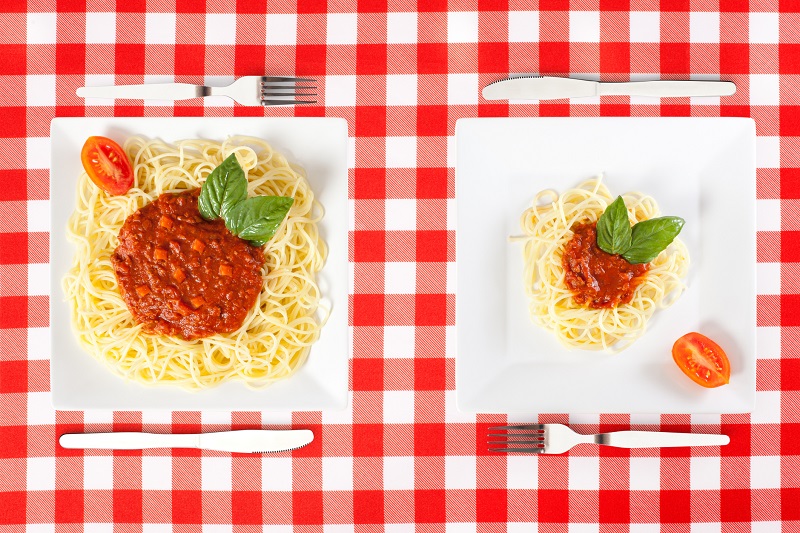
According to Cooking Light Magazine, plate sizes have increased about 22 percent over the last century. This increase in plate size has led to an increase in portion sizes. Critical Reviews in Food Science and Nutrition explains that the typical portion of pasta we eat today is 480 percent larger than the United States Department of Agriculture (USDA) recommended portion size. No wonder worldwide obesity rates have soared nearly 28 percent for adults in the past three decades, according to Medical News Today.

How to Become a Nutrisystem Portion Pro

Read More

To take control of your weight, you need to take control of your plate! Here’s six simple steps to create the perfect weight loss plate:

1. Try a smaller plate.
The Leaf Healthy Plate Portion Sizes

Studies on plate size and overeating have been inconclusive. However, a 2016 nonscientific experiment by the editors of Cooking Light magazine suggests that a smaller plate may cut calories significantly. They measured the calories of food that they could fit on a small plate (9-inches) versus a large plate (12-inches). A healthy salmon and salad meal on the large plate was 779 calories. Only 519 calories of the same meal fit on the smaller plate. Cooking Light explains the importance of this calorie difference for weight loss: “Adding roughly 250 calories to all three meals every day means consuming on average an extra 750 calories each day, or 5,250 calories a week. Since each pound is equal to 3,500 calories, down-sizing your plate (and consequently removing the extra calories) theoretically could result in a weight loss of 1.5 pounds per week.”

2. Scoop on the veggies first.
The Leaf Healthy Plate Portion Sizes

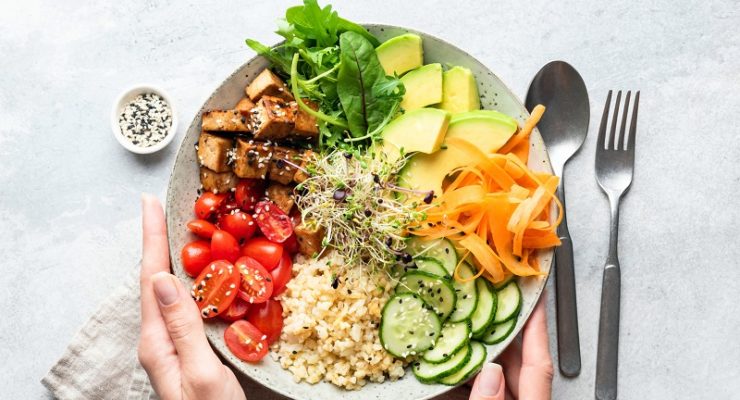
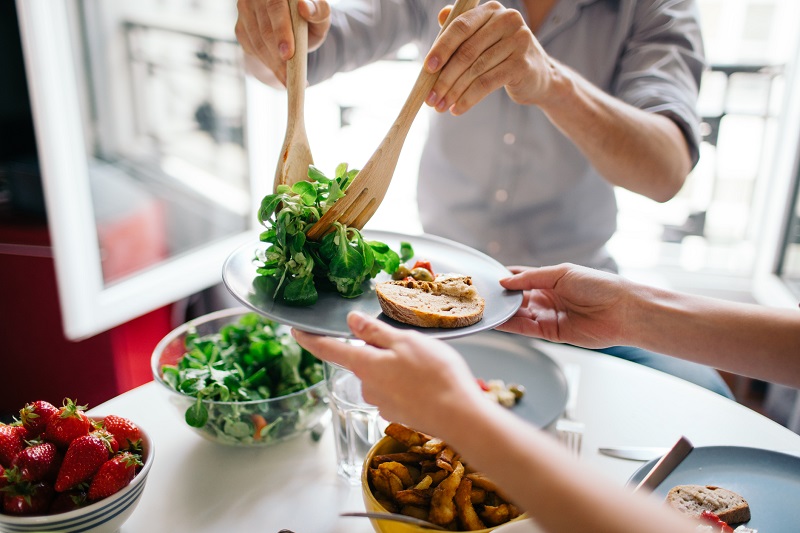
Reserve half of your weight loss plate for vegetables and fruit, says the USDA. They recommend that for your health. However, a generous hand with plant foods can also help you lose weight. Fruits and vegetables tend to be low in calories, so you can eat a higher volume of them which can be very satisfying, says the Centers for Disease Control and Prevention (CDC). More important, these nutrient-dense foods also contain lots of water and fiber, both of which have been shown to help you curb your appetite by making you feel fuller faster. Be sure to watch this helpful wellness video by The Leaf that covers six simple ways to sneak in more veggies for your diet!

3. Add your protein next.
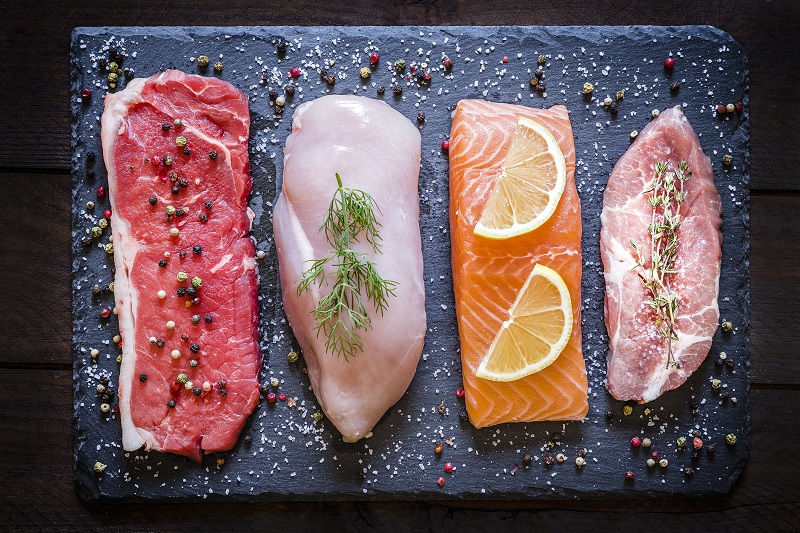
healthy protein

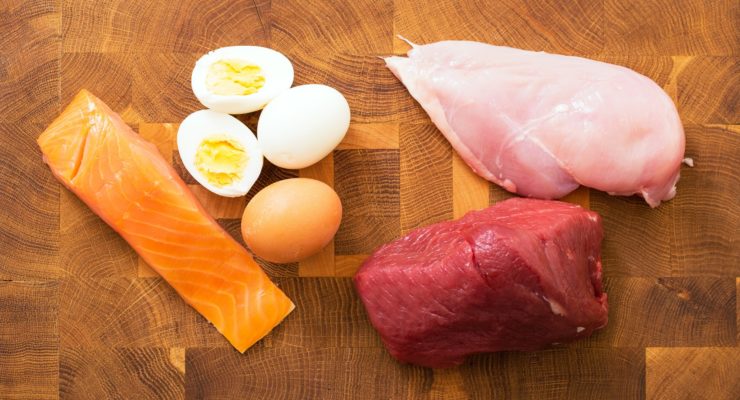
Lean protein should make up 20 percent of your weight loss plate, according to USDA guidelines. You’ve got the key to portion size right in your hand! According to the Iowa Department of Public Health, three ounces of lean chicken, meat and fish should fit in your palm; an ounce of cheese will fit on your thumb; one to two ounces of nuts will fit in your cupped palm; and one cup of legumes is about the size of your fist or cupped palm. In a study, published in the journal Nutrition, people who simply focused on increasing their intake of fiber and lean protein lost weight over 12 weeks without doing anything else. Even better, 92 percent of them said they never felt hungry.

Our recipe and wellness experts at The Leaf are here to help you with your lean protein selections! These seven high protein foods that aren’t chicken are sure to fit the bill while offering up perfect portion sizes on your weight loss journey.

Protein up Your Plate: The 15 Most Logged PowerFuels in NuMi

Read More

4. Give yourself some grains.
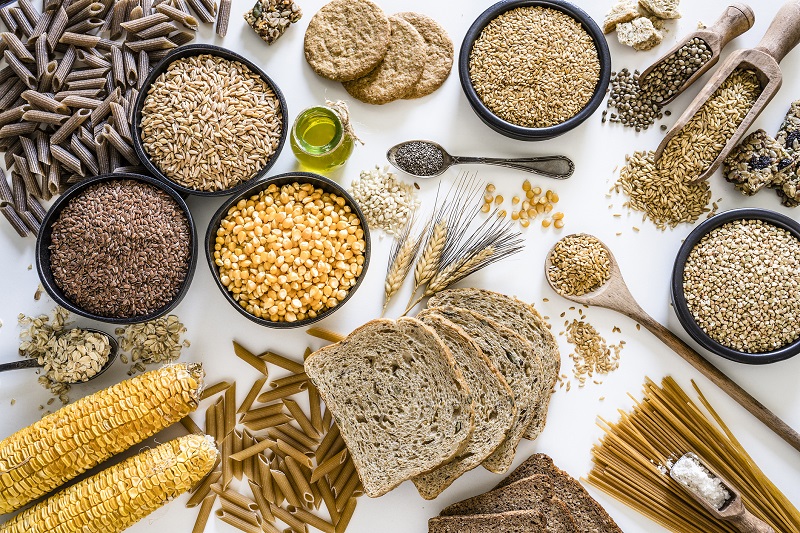
The Leaf Healthy Plate Portion Sizes

A full 30 percent of your weight loss plate should be made up of grains. Half of them preferably should be whole grains, which contain more filling fiber than refined grains, says the USDA. They recommend searching for the word “whole” at the top of the ingredients list. The USDA also explains that anything with three grams of fiber is a good source of this valuable nutrient, while anything with five and above is a superstar!

Get a boost by adding these six super-grains to your diet! > Packed with numerous health benefits, these grain selections are a must-try.

5. Don’t forget dairy!
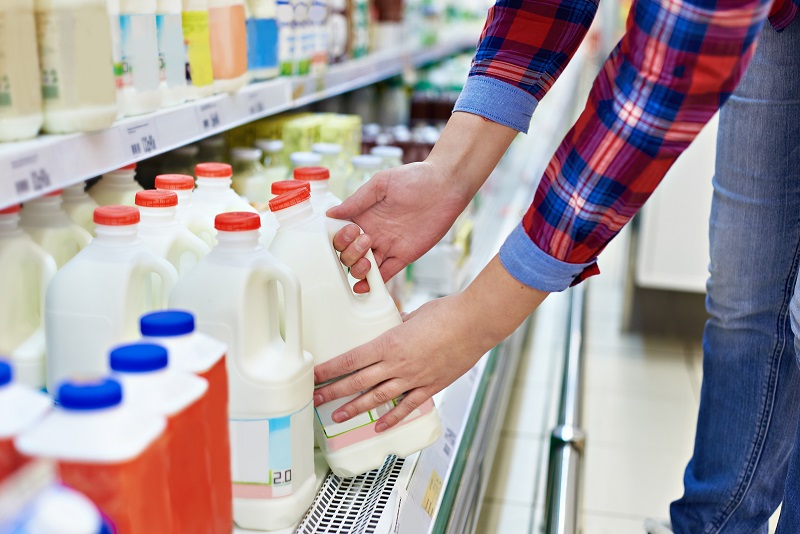
The Leaf Healthy Plate Portion Sizes

It might not be on your plate. However, calcium-rich, low-fat dairy foods belong on your table. They supply needed calcium and are often fortified with vitamin D to help keep your bones strong. Because dairy foods are also protein, you get the benefit of their tummy-filling properties. Our comprehensive guide to the dairy aisle will help you make the right dairy selections for your wellness needs!

6. Always use your weight loss plate.
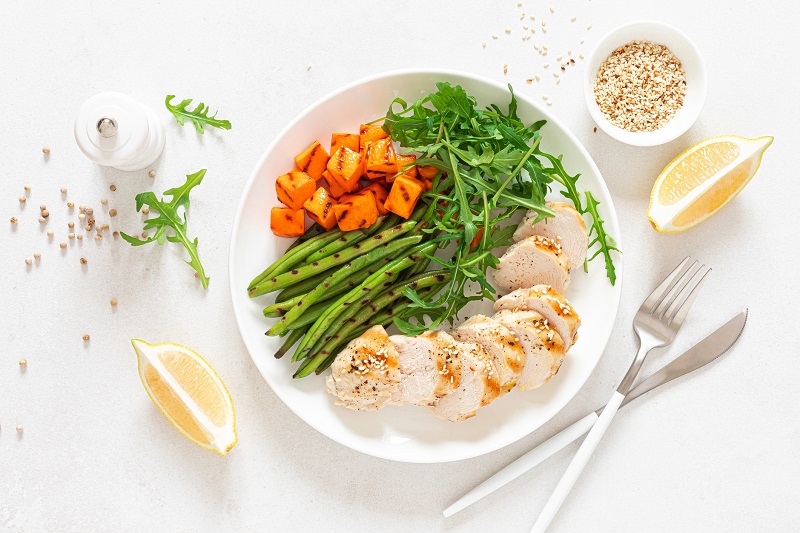
The Leaf Healthy Plate Portion Sizes

To avoid mindless eating and junk food, never eat anything out of the bag or box. Portion out your snacks onto your plate and eat them away from your TV and computer screen so you’re not distracted. According to Harvard Health, distracted eating can encourage you to eat more because you’ll have overeaten before your brain (which takes 20 minutes to register “fullness”) tells you that you’ve had enough. Slowing down and making a meal or even some popcorn or a cheese stick with fruit can help you enjoy your snack so you feel satisfied and full.

Looking for a convenient meal delivery service that makes portion control easy? Learn more about Nutrisystem meal plans! >

How to Build the Best Power Bowl Ever

Read More

The post What Your Plate Means for Your Weight Loss appeared first on The Leaf.


from The Leaf https://ift.tt/3fQxP2F

This plateau seems never-ending.

Hey, so I’m 22 and I began my weight loss journey back in April when I weighed 224 lbs. I’ve lost more than 40 pounds now but since October, I’ve hit my biggest plateau ever. I weighed 182 pounds once and have never seen that number again. I swing between 183 and 185 now. My diet usually consists of healthy homemade vegetarian food that is low in fat. I allow myself to eat anywhere around 1500 calories in a day. I don’t usually exercise but since I’ve been stuck on this particular number, I’ve tried light aerobic exercises and a few minutes on the treadmill everyday. Still no difference on the scale.

I was going through a stressful time back in October and that may have had an impact on my appetite directly or indirectly. However I force-fed myself and didn’t eat anything less than 1300 calories so I’m not sure. I only have began feeling anything normal again but I’d be lying if I said that this plateau hasn’t been discouraging. I see significant changes on my body but since there isn’t any difference on the scale, I tell myself that I maybe deceiving myself.

Also, does sleep play a role in losing weight? Has anybody ever had a plateau longer than mine? I’d love to hear your experiences and all your suggestions. Thank you!

Edit - I’m 172 cms tall! (5’8)

submitted by /u/makeuppgeekk
[link] [comments]

from loseit - Lose the Fat https://ift.tt/2Ik69HE

How do I break my addiction to my scale?

I have been on the roller coaster too many times, and between quarantine and drinking more, I'm at my heaviest point. So I know I need to punch my ticket to go back on the roller coaster, but I don't really want to. I'm so tired of the ride.

It's the scale. I can't break my addiction to the numbers that it gives me. I can't count the number of times that I'll start, get rewarded by the scale for the first week or two... and then BAM! No weight loss or even a gain. And then it becomes "well what was the point of doing all that work and being miserable working out and being hungry all time" if there's no reward for my effort, which spirals into me giving up. Again.

But I NEED the scale. I need that thing that is going to be honest and objective and not give a shit about any of my excuses, justifications, or rationalizations about how my week went. People are just like "just eat healthy and don't step on the scale." I tried that and then after a month I didn't lose anything.

I have to figure out how to not just give up the second the scale disagrees with me. I know there's all that psychology stuff about how I need an intrinsic motivation because the scale is like an extrinsic thing. Same stuff I was taught with my students. And like my students, that A on the test feels real good.

submitted by /u/jerseydevil51
[link] [comments]

from loseit - Lose the Fat https://ift.tt/33Mc5AO

Lost 59 lbs and struggling to find motivation to continue

Looking for advice. How do I stay motivated? How can I start to feel or see myself more positively? What have you done that’s been helpful?

I began my weight loss journey January 2019. The biggest number on the scale was 238 but I’m sure I was more than at the beginning. Im down 59 pounds and have ideally 40 more to go but having a really hard time with myself and hoping for some advice or motivation from others who have been in a similar place.

I’m really proud of myself for the changes I’ve made and the self control that took so much effort to find, but I’m struggling to feel positive about what I’ve accomplished because of how much further I have to go. I don’t feel like I see a difference in my body when I look in the mirror and still cry every single time I have to put “real” clothes on. At my biggest this was a huge issue- The year before this started i can count on one hand how many times i left the house because Id have melt downs trying to find something to wear that didn’t make me want to kill myself. It was bad. I do see the change in pictures but looking down I still feel disgusted by myself and want to give up bc I’m not accomplishing anything that is making a difference with how I feel about myself.

I lost my first noticeable amount of weight because of stress, anxiety, and an inability to keep food down regularly. It went on for months. I embraced the weight loss as my unintentional kick start to lose weight. As my stress reduced I was able to eat again and plateaued. Expected. Then covid hit and i gained 20 lbs back in a short period of time. It’s been 4 months since I had my turning point melt down of I can’t believe I gained it back and I can’t go back to being that fat again. I’ve become consumed with feeling negatively about myself.

I’m back on track and I have not seen the scale in the 170 range since I was a teen. I’m happy with the scale progress bc it’s proof of progress but I don’t feel good about myself when I look at my stomach in clothes, the mirror, just looking down. My arms legs and ugh my neck are thick too but I’d be able to accept them. I’m absolutely miserable and cry often bc I don’t understand how I could numerically make so much progress yet visually see no difference.

I know why I feel such a mental mind fuck over this- Every important person in my life has focused on my weight at some point. It continues to be this way now that I’m losing weight. The you look amazing and good job and all those things just don’t feel right or genuine.

I’m starting to think I might not see or feel happy when I get closer to my goal weight either. I’m over halfway there but ready to give up every day bc it’s so hard and I’m not feeling good about it.

My background I come from a culture that emphasizes the /need/ for women pretty and skinny. There’s a mold and every woman in this country looks like they’ve seen the same plastic surgeon and don’t eat. Our culture is heavily focused on food and gatherings too. As first generation raised in the US, I learned to love food but didn’t have to deal with the shame that my unacceptable body came with (except when I’d go to our home country every summer)

I’ve been very overweight my whole life. The majority of my family is. Something about genetics? I even had someone i never met say “oh i could tell you were a [last name] because of how big you are” and continued to tell me her kids were fat too (she married into our family) and laughed. My immediate and extended family always had comments growing up about all of the kids, because we were all fat. Teaching us proper nutrition didn’t cross their minds. To this day the first thing my aunts say when they see me is why have you gained more weight or you look like you lost some weight like it’s the biggest compliment they could give. My parents didn’t make it a focus but made sure to talk about the changes that i needed to make to my body. My dad had struggled with weight too but is not sympathetic. He says he knows what it takes to lose it (he loses and gains regularly) and I should just do it kind of attitude. My mom just stops eating when she gains weight. They think they were encouraging and supportive until as an adult I told them how emotionally challenging those conversations were and are for me. The conversations didn’t stop though bc family should be able to say what they want how they want. I’ll never win this battle.

submitted by /u/AfterShowerThoughts
[link] [comments]

from loseit - Lose the Fat https://ift.tt/36KmRJr